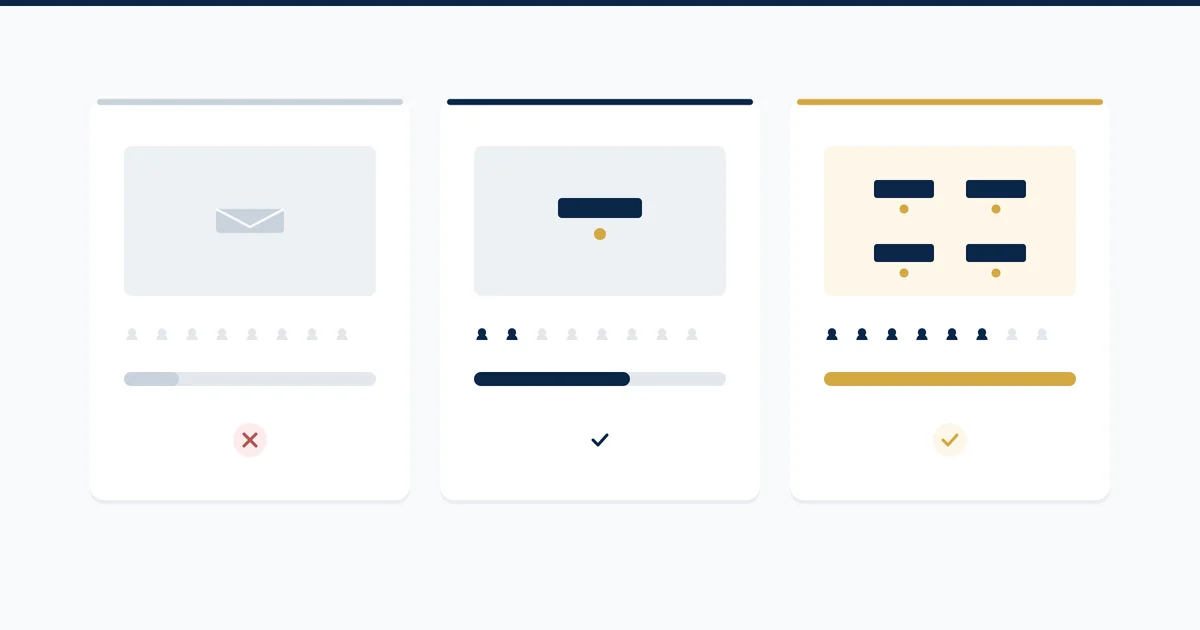
UAE banks decline company accounts registered at a virtual office because they cannot verify a genuine operating presence. A flexi desk is accepted by most banks; a leased office removes the question entirely. Of every reason an application gets refused, the registered address is the one you can change this week.
- Virtual office: the most common address-related rejection trigger.
- Flexi desk: accepted by most banks as evidence of presence.
- Leased office: the strongest position, and it survives a site visit.
- Site visits happen. Banks send someone to look at the address on the licence.
- The requirement is presence, not a Dubai postcode. Ras Al Khaimah satisfies it at a fraction of the cost.
What the bank is actually testing
A UAE bank opening a corporate account is not assessing your business plan — it is verifying that your company genuinely exists and operates where it says it does. That obligation comes from the anti-money-laundering framework the Central Bank of the UAE requires every licensed bank to apply, and it is why the address on your trade licence carries weight far beyond correspondence.
Read from the compliance side, the question is narrow. Can this entity be located? Is there somewhere a person could go and find evidence of activity? A company that exists only as a licence number and a mailbox cannot answer that, however legitimate it is.
The bank is not asking whether your business is real to you. It is asking whether it can prove your business is real to a regulator.
Key takeaway: the account decision turns on verifiable presence. Your address is the primary evidence of it.
The three address tiers
Every UAE registered address falls into one of three tiers, and banks read them differently. All three are perfectly legal for licensing. Only their evidential weight differs.
| Address type | What it proves | What it leaves open | Typical bank response |
|---|---|---|---|
| Virtual office | A registered address and mail handling | Whether anyone works there at all | Most often declined by the large retail banks |
| Flexi desk | A workstation the company can occupy | How often it is actually used | Accepted by most banks |
| Leased office | Exclusive, continuous space under a lease | Little — a site visit confirms it | Strongest position |
The distinction that trips people up is that a virtual office is not a lesser product — it is a different product. It solves the licensing requirement and the correspondence requirement. It does not solve the evidence requirement, because there is no workstation to inspect. The office types overview sets out what each one includes.
Key takeaway: choose the address tier for the hardest test it has to pass. If that test is a bank account, a virtual office is the wrong tool.
Why virtual offices fail the test
A virtual office provides a registered address and mail handling without a workstation, which means there is nothing at the address that evidences activity. That is precisely the gap a compliance review is designed to find.
Two further factors compound it. Virtual office providers host many companies at one address, so a bank checking that address may already have seen dozens of applications from it — and some of those will have gone badly. And where a bank has previously closed an account registered at a shared address, that address can carry a history the new applicant knows nothing about.
Sector practitioners consistently report that the larger UAE retail banks are the strictest on this point, and that a virtual office is the most common address-related refusal after a vaguely described business activity. Those observations come from corporate service providers rather than from the banks themselves, so treat them as the market's working knowledge rather than published policy.
Key takeaway: the problem is not that a virtual office is disallowed. It is that it produces no evidence, and evidence is the whole exercise.
What a flexi desk proves, and what it does not
A flexi desk is a shared workstation with a registered business address, and for most UAE banks it clears the presence threshold. There is a physical desk, an access arrangement and a provider who can confirm the company occupies it.
What it does not resolve is intensity of use. A flexi desk shows the company can be somewhere; it does not show the company is there daily. For a small consultancy, a holding entity or a business with one or two visas, that is usually enough. For an applicant with a higher-risk profile — a trading activity, cross-border flows, several nationalities on the shareholder register — a bank may want more.
The practical rule we apply with clients: if anything else in the file will attract scrutiny, do not let the address be a second question mark. The visa quota guide covers a related version of this logic, where a flexi desk caps you at nought to two visas.
Key takeaway: a flexi desk is sufficient for a clean file and thin for a complicated one.
The one refusal reason you can fix this week
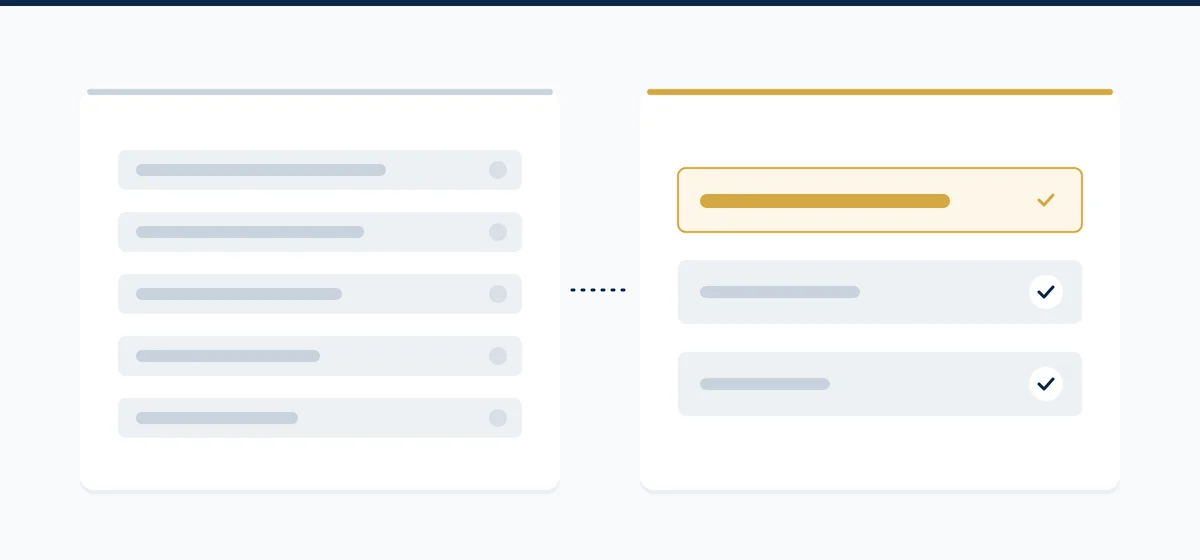
Bank refusals cluster into reasons you can change quickly and reasons you cannot, and the registered address is the fastest of them all. That asymmetry is the reason this article exists.
Slow to change, or outside your control:
- Shareholder or director nationality and residency profile
- A business activity the bank reads as high risk
- Absence of a trading history or verifiable counterparties
- Thin capitalisation relative to the stated activity
- Group structures the bank finds hard to trace to a beneficial owner
Changeable in days:
- The registered address on the trade licence
- The physical evidence available at that address
- The clarity of the activity description
Sector estimates put initial rejection or extended delay at roughly 40% of free zone company owners, with some advisers reporting higher figures for SMEs and startups. These are consultancy observations rather than Central Bank statistics, and the range between sources is wide — but every source agrees on the direction, and every one lists the address among the causes.
Key takeaway: if you are going to change one thing before reapplying, change the thing that can be changed.
What happens on a site visit
A bank site visit is a short, unannounced or lightly announced inspection of the address on your trade licence, carried out to confirm the company operates there. It is routine for corporate accounts and is the point at which a paper address stops working.
What the visitor typically looks for:
- The company name at the address. Signage, a nameplate, or at minimum a listing at reception.
- A workstation attributable to the company. A desk that is yours, not a lobby chair.
- Someone present who can speak for the business. Not necessarily a director, but not nobody.
- Documents on site. Licence, tenancy contract, and evidence of activity such as invoices.
- Consistency with the application. The space should match the size and headcount you described.
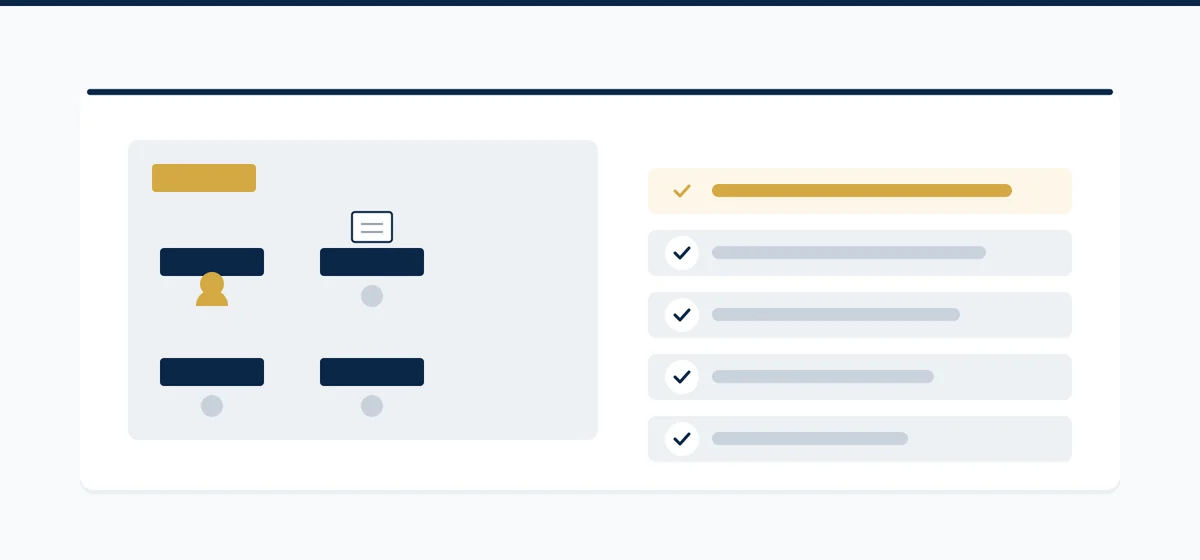
Photographs are commonly taken. The visit is short — often under fifteen minutes — and the failure modes are mundane: nobody there, no name anywhere, or a space that plainly does not match what the application described.
Nobody fails a site visit on the quality of their office. They fail it because the office does not visibly belong to the company on the licence.
Key takeaway: prepare the address the way you would prepare a document. A nameplate and a person present resolve most of it.
The fix priced against the delay
The commercial question is not what an office costs, but what not having a bank account costs. Until the account opens, the company cannot receive client payments, cannot pay suppliers cleanly, and in many cases cannot complete visa processing that requires a corporate account.
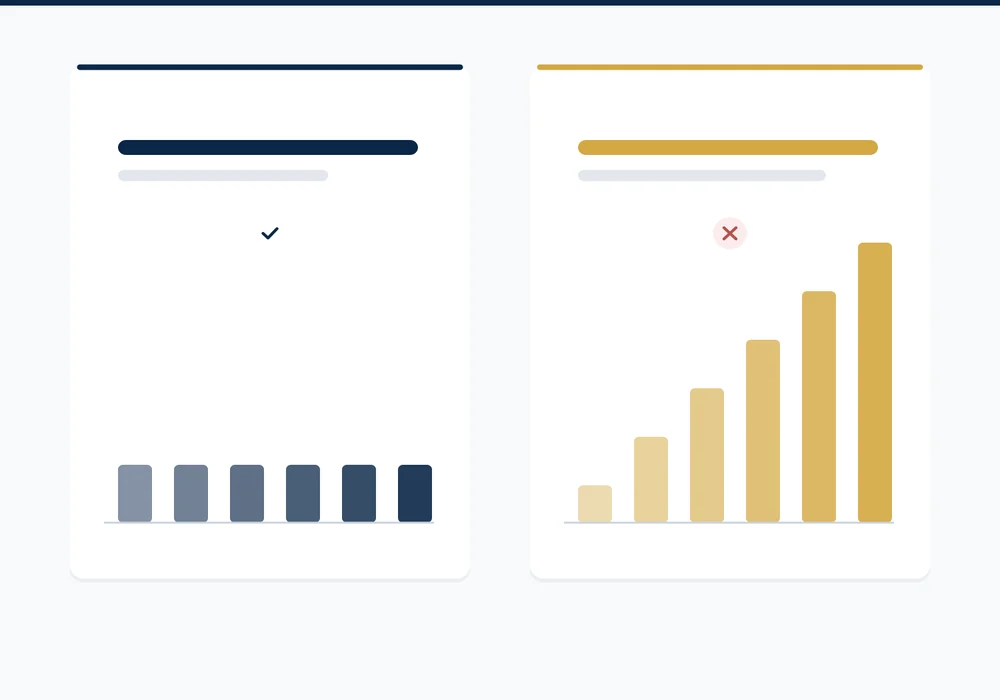
Set the two against each other honestly. A flexi desk in Ras Al Khaimah starts at roughly AED 6,000 to 8,500 a year, which is in the region of AED 500 to 700 a month. A small private office runs higher but remains a defined figure you can put in a budget.
Now price the other side. A company invoicing AED 40,000 a month that cannot bank for six weeks is not out AED 500 — it is carrying six weeks of unbillable or unbankable revenue, plus the second application, plus whatever the delay does to a client relationship that expected an invoice with account details on it.
Key takeaway: the upgrade is almost always cheaper than the second rejection. Indicative pricing sits on the pricing overview.
Fixing the address after a refusal
A refusal is not a permanent bar, but reapplying to the same bank with the same file rarely produces a different answer. The sequence that works:
- Establish the actual reason. Banks are often vague. Ask directly, and ask your service provider what the file looked like.
- Upgrade the address before anything else, if a virtual office was in the file. It is the fastest variable to change.
- Register the new arrangement properly so the licence and the tenancy record match. A new address that does not appear on the licence changes nothing.
- Tighten the activity description to something concrete and verifiable.
- Assemble supporting evidence — signed contracts, supplier agreements, a website that matches the licence.
- Apply to a different bank where the first refusal is recorded, and allow the new address a little history before you do.
Where a company is being wound up rather than repaired, the office also matters — the visa and office guide covers how the lease interacts with licensing.
Satisfying the requirement at Ras Al Khaimah cost
Nothing in the banking requirement specifies an emirate — it specifies presence. A company with a genuine leased office in Ras Al Khaimah is in a stronger evidential position than one with a virtual address in Dubai, at a materially lower cost.
The practical numbers: RAK office rents commonly run 40 to 60 per cent below comparable Dubai space, and RAKEZ flexi-desk packages start around AED 6,000 to 8,500 a year. For a company whose clients are regional or remote, the Dubai premium buys an address, not an advantage.
Where a Dubai presence is genuinely required — a licence category tied to the emirate, or clients who expect it — that is a real reason. It is simply worth separating from the assumption that banks prefer Dubai. They prefer evidence.
Key takeaway: upgrade the tier before you upgrade the postcode. Coverage across the emirate is on the locations overview.
Common mistakes
Choosing the address on licensing cost alone. The cheapest compliant address is not the cheapest address once a refused application is priced in.
Upgrading the space but not the licence. If the new address does not appear on the trade licence and the tenancy record, the bank still sees the old one.
Assuming a site visit will not happen. It is routine, not exceptional, and the preparation costs almost nothing.
Reapplying immediately to the same bank. Give the new arrangement some history and approach a different institution.
Treating the address as the only variable. It is the fastest one to fix, not the only one. A vague activity description will still fail with a perfect office.
Frequently asked questions
Can I open a UAE business bank account with a virtual office?
It is possible but difficult, and the larger retail banks commonly decline it. A virtual office satisfies licensing but provides no workstation to inspect, which is what a compliance review looks for. Applicants who succeed with one usually have strong compensating evidence elsewhere in the file.
Is a flexi desk enough for a corporate account?
For most applicants, yes. A flexi desk gives a physical workstation and a provider who can confirm occupancy, which clears the presence threshold at most banks. It becomes thin where other parts of the file already attract scrutiny.
Do UAE banks really carry out site visits?
Yes, they are routine for corporate accounts. A representative visits the address on the trade licence to confirm the company operates there, usually checking signage, a workstation, someone present and documents on site. Photographs are commonly taken.
How long does a UAE corporate account take to open?
Timelines vary widely by bank and by applicant profile, and delays are common enough that sector advisers treat several weeks as normal rather than exceptional. A clean file with a verifiable address is the single biggest factor in staying at the short end of that range.
What percentage of applications are rejected?
Corporate service providers publish estimates around 40% of free zone company owners facing an initial rejection or long delay, with higher figures quoted for SMEs and startups. These are sector observations rather than Central Bank statistics and vary considerably between sources.
Does the emirate of my office affect the decision?
Not directly. The requirement is verifiable presence, not a particular emirate. A genuine leased office in Ras Al Khaimah is stronger evidence than a virtual address in Dubai, and costs less.
Do I need to change my trade licence after moving office?
Yes. The address the bank checks is the one on the licence and the registered tenancy, so an upgrade that is not reflected in those records has no effect on the application. Update both before you reapply.
What should be visible at my office before a site visit?
The company name at the entrance or at reception, a workstation identifiable as yours, someone able to speak about the business, and the licence and tenancy contract on site. Evidence of activity such as signed contracts or invoices helps.
Can I be refused even with a proper office?
Yes. The address removes one common objection but does not answer the others — activity description, shareholder profile, source of funds and expected transaction patterns all sit outside it. Fixing the address improves the odds; it does not guarantee the outcome.
Get an address a bank will accept
Tell us which bank you are applying to and what your licence says today. We will tell you whether your current address is likely to survive the review, and what the upgrade costs in Ras Al Khaimah.
Check my address on WhatsApp